

In southern Poland, a Ukrainian citizen stabbed a Catholic priest to death and seriously wounded several others. The brutal crime took place against the backdrop of already strained Polish-Ukrainian relations. The most radical statements are already being heard in Poland, accompanied by various conspiracy theories. Who is to blame, and what can be expected next?
Bloodshed at the confessional
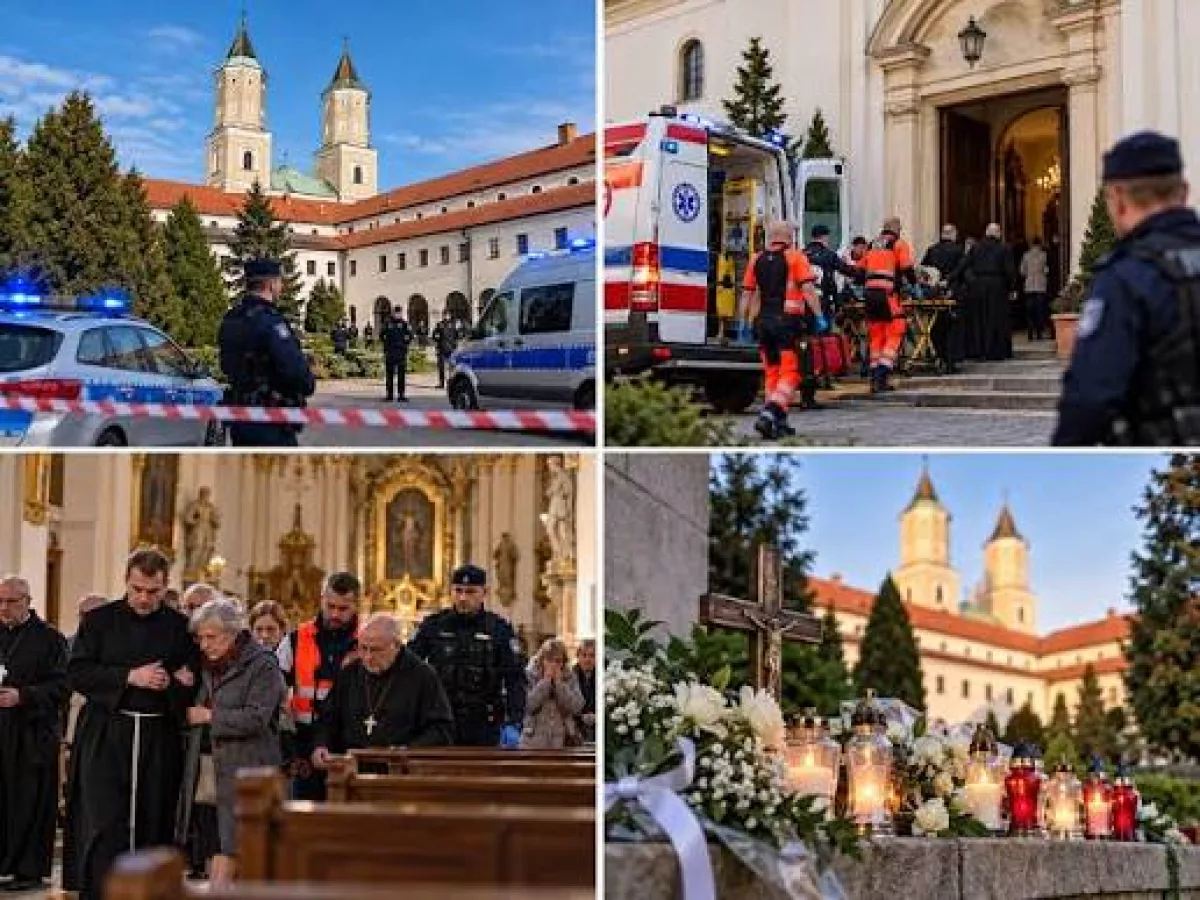
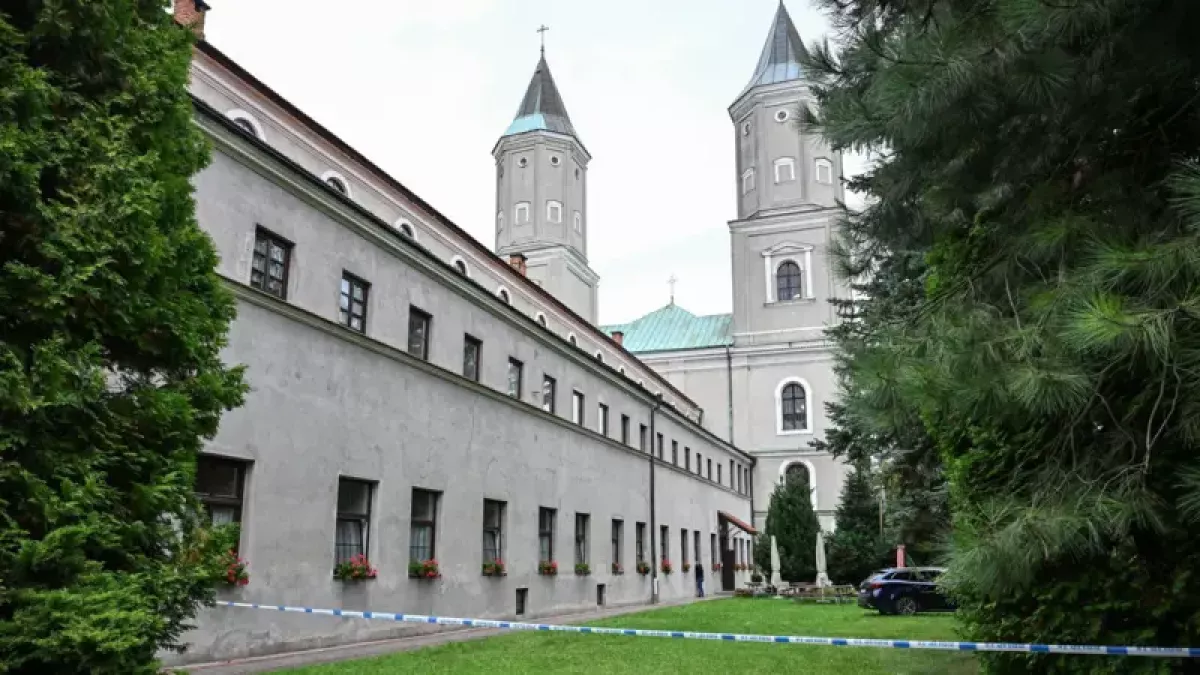
On the morning of September 24, an armed man attacked people before a Catholic Mass at the Church of St Nicholas and St Stanislaus in Jarosław, in Poland’s Podkarpackie Voivodeship.
According to eyewitnesses, the attacker burst into the church and struck Catholic priest Marek Pieńkowski in the neck with a long knife. The assailant then stabbed another priest, Stanisław Zbojnowicz, in the back near the confessional. After that, the attacker ran into a café, where he struck Father Adrian in the head with a knife. The church was mainly occupied by elderly people and women, who were unable to stop the young, physically stronger armed man. Some parishioners hid inside the confessional.
Priest Stanisław Zbojnowicz died in hospital from massive blood loss caused by penetrating wounds to the chest and abdomen. Four other people, including a woman, were hospitalised with stab wounds of varying severity. Two of them are in critical condition. Initial reports said that another priest, Marek Pieńkowski, had also died, but it was later reported that he had undergone surgery and was fighting for his life. According to some reports, Father Pieńkowski suffered damage to his carotid artery.
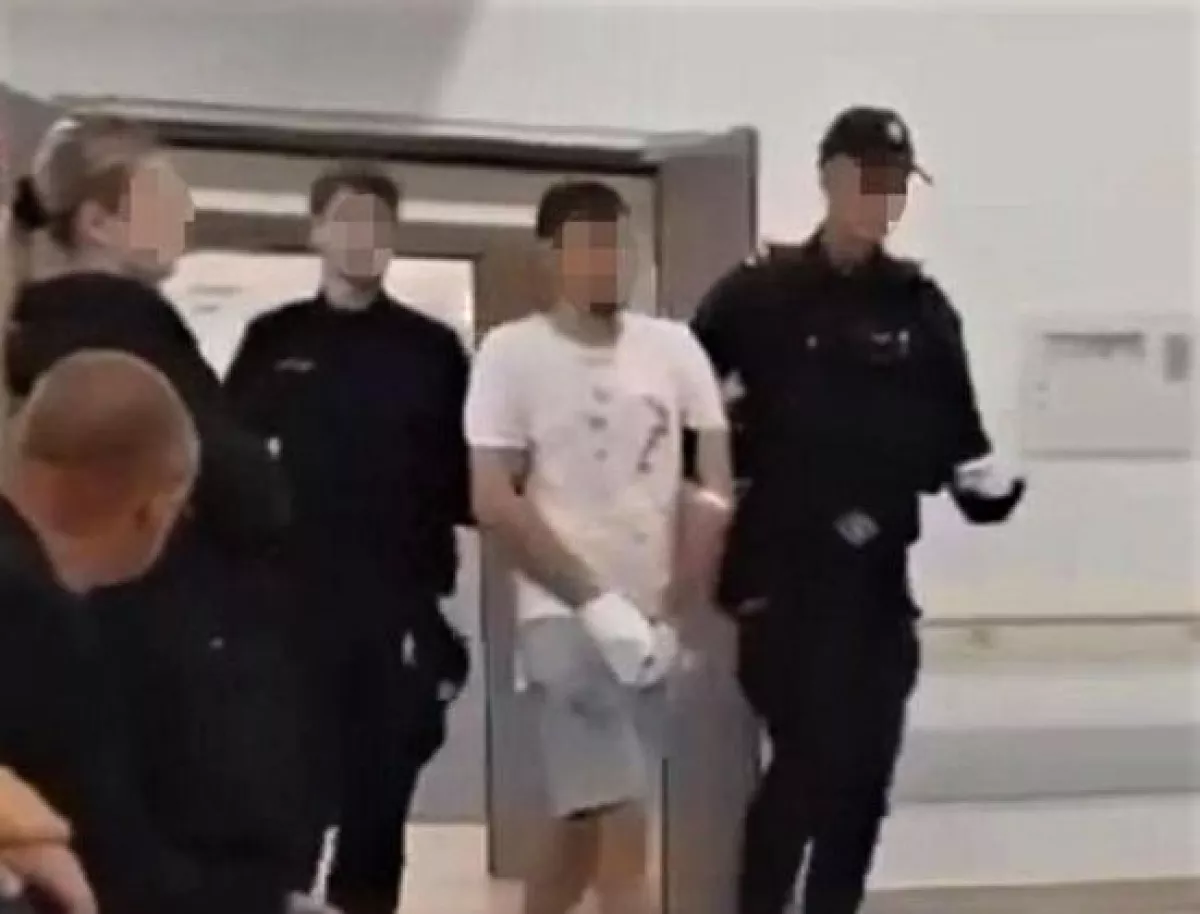
The attacker was detained by police. He was identified as 31-year-old Ukrainian citizen Ihor M. He entered Poland from Germany that same night. The Ukrainian national was heading towards the border crossing at Korczowa, but apparently could not cross the border because the crossing had been temporarily closed. According to the preliminary investigation, the suspect entered the monastery grounds by following a group of primary school pupils who had come on a field trip. The man then forced his way into the monastery kitchen and began behaving aggressively. When he was asked to leave, he began beating one of the priests, at one point smashing four glass teapots against his own head.
The priest managed to break free and lock himself in another room. The attacker tried to force his way in but was unsuccessful. Ihor M. then burst into the church and attacked Father Pieńkowski and the other victims with a knife he had taken from the kitchen.
The Przemyśl District Prosecutor’s Office charged the detainee on suspicion of murder, attempted murder and causing grievous bodily harm. The suspect was taken to hospital for alcohol and drug tests, as well as a psychiatric examination.
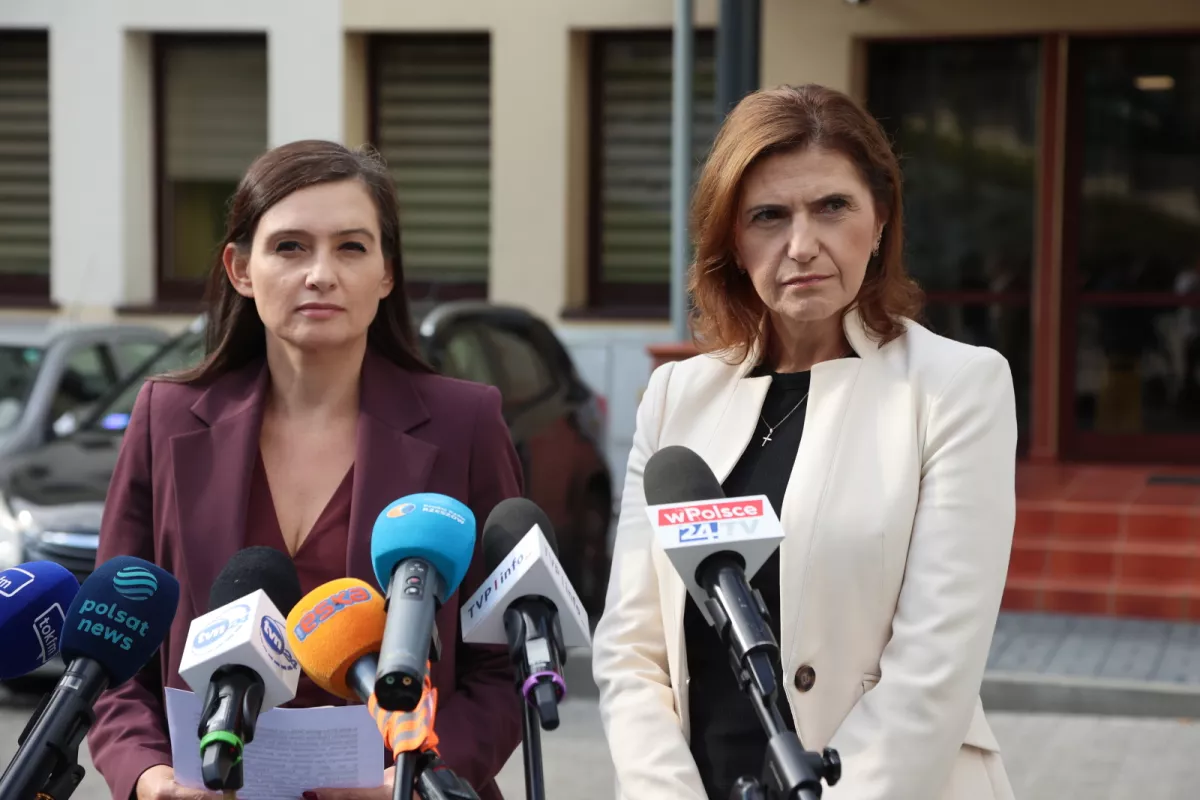
At a press conference on Friday, September 25, Małgorzata Taciuch-Kurasiewicz, spokeswoman for the District Prosecutor’s Office, said: “If his health condition does not allow procedural actions to be carried out within 48 hours of his detention, he will not formally be charged during that period, and he may not be questioned.”
It was also stated that if it proves impossible to carry out any procedural measures involving Ihor M., the prosecution will apply to the court for his detention.
The crime was committed on the premises of the Centre for Christian Education and Culture at the Benedictine Abbey in Jarosław. In an unfortunate coincidence, the centre had previously provided extensive assistance to Ukrainian refugees.
Jarosław Mayor Marcin Nazarewicz described the incident as a terrorist attack. Additional controls on people entering were introduced at all schools, offices and parishes. Jarosław’s educational institutions were also instructed not to allow children outside.
According to unconfirmed reports, the suspect had allegedly previously attempted to enter a refugee centre in Jarosław, Podkarpackie Voivodeship.
The scenario everyone feared
Leading Polish politicians were quick to comment on the bloody drama at the Benedictine monastery. Polish Prime Minister Donald Tusk wrote on X: “The murderer from Jarosław is in the custody of the Polish police. The investigation is ongoing. The perpetrator is a Ukrainian citizen. He will be punished to the full extent of Polish law. My condolences to the loved ones of the victims of this brutal attack.”
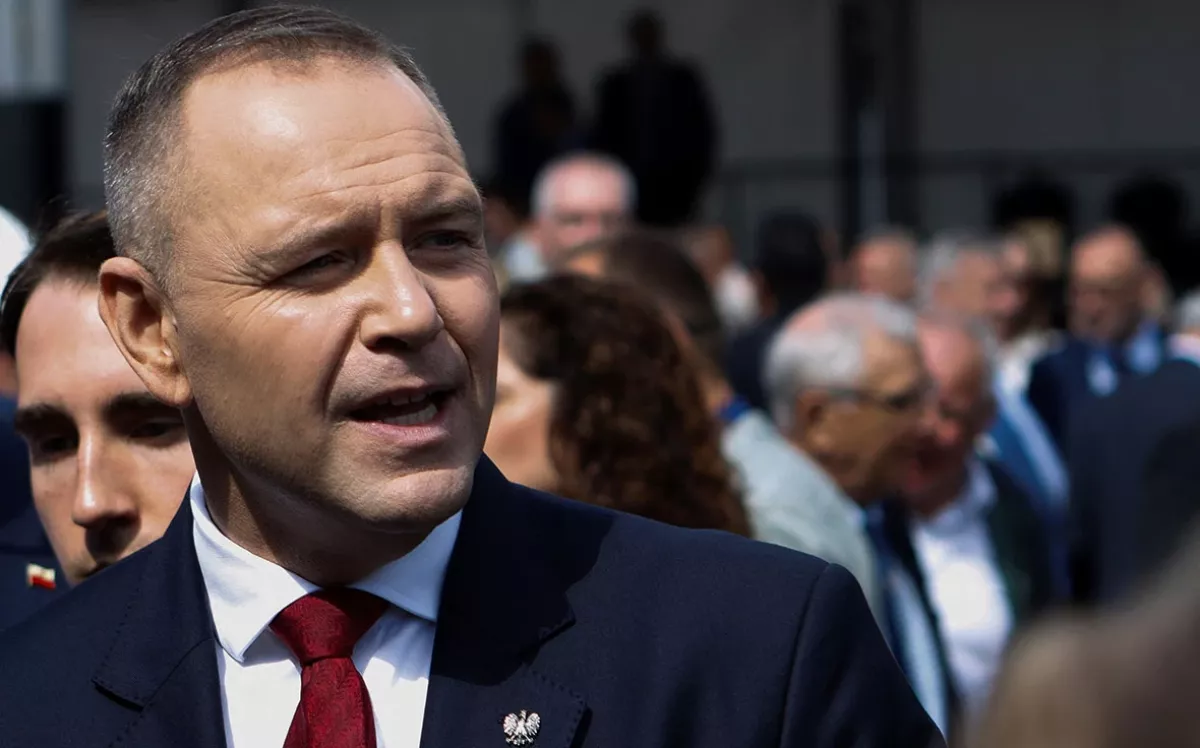
Polish President Karol Nawrocki condemned the attack: “I wish those injured a speedy recovery. In the face of such acts, the state must be strong, act swiftly and show no leniency in enforcing the law. The principles and values of our society must be respected by everyone in our country. Today’s attack has shocked us all and requires a decisive response from the state.”
Ukrainian President Volodymyr Zelenskyy also expressed his condolences.
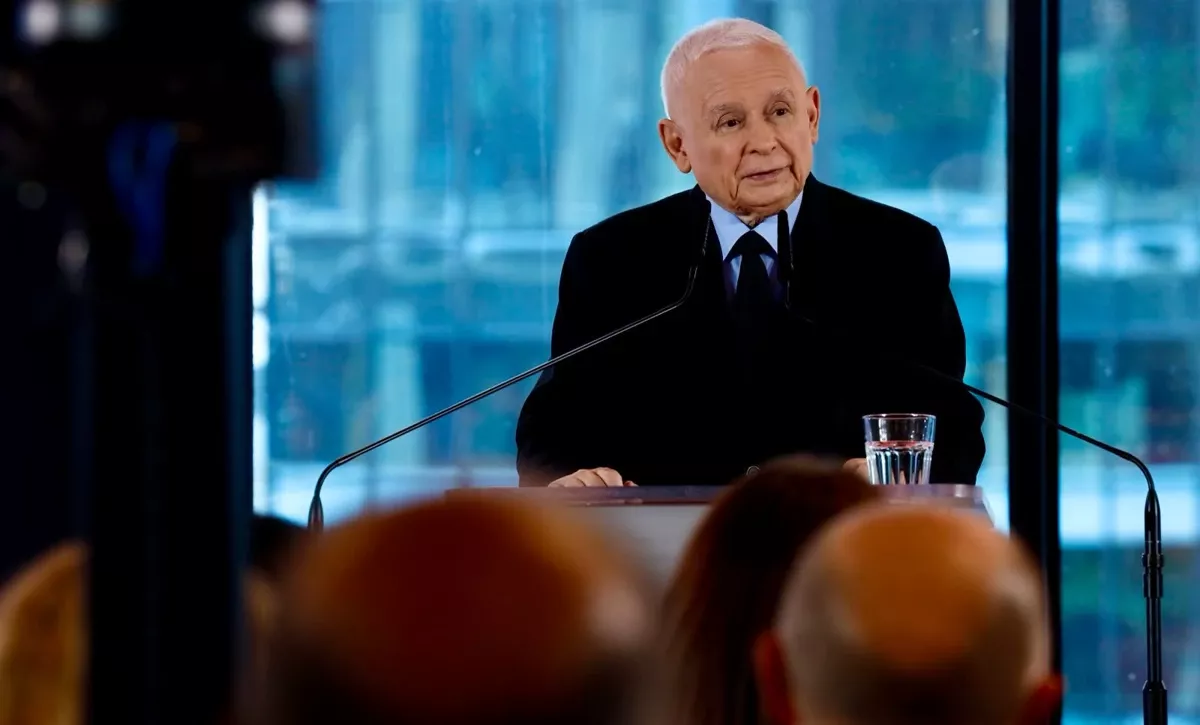
Jarosław Kaczyński, leader of the opposition centre-right Law and Justice (PiS) party, said: “This case must be thoroughly investigated by the security services without any concealment. We need to establish exactly what happened, the perpetrator’s motive, the circumstances of his stay in Poland, and obtain an answer to the question of whether he had previously attracted the attention of any intelligence services.”
Polish nationalists from the radical opposition, however, reacted more forcefully. Several politicians from the Confederation Liberty and Independence (KWN), who happened to be near the monastery, immediately arrived at the scene, calling on Poles to remain calm while urging the state to take decisive measures to control migrants, including those from Ukraine.
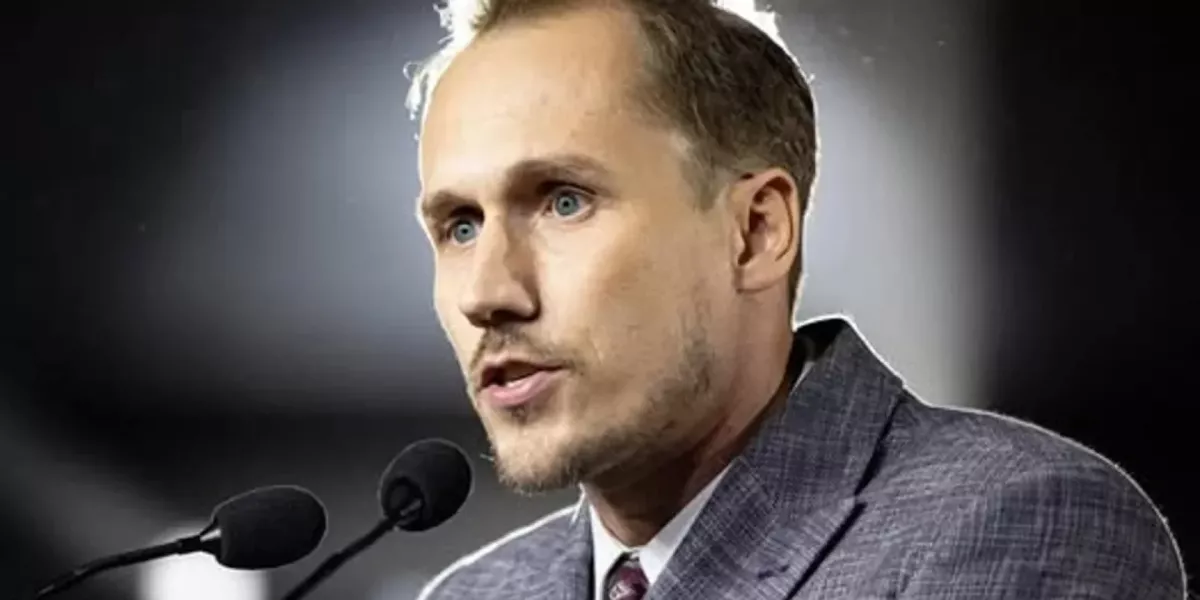
KWN Sejm deputy Konrad Berkowicz took the issue even further: “The monastery in Jarosław is a striking example of what relations between Poles and Ukrainians can look like. A Pole helps, a Pole pays, and a Ukrainian repays him by killing. The monastery, where a Ukrainian has already killed two people and seriously wounded others, has been helping Ukrainians since the beginning of the war.”
The Polish nationalist then suggested imagining what would happen to Poland if, as proposed by the ruling liberal coalition, centres for Ukrainian combatants were established in the country: “The country would see the emergence of a powerful and armed group of madmen terrorising our streets in a fit of emotion. Let us seriously consider what we are doing to ourselves.”
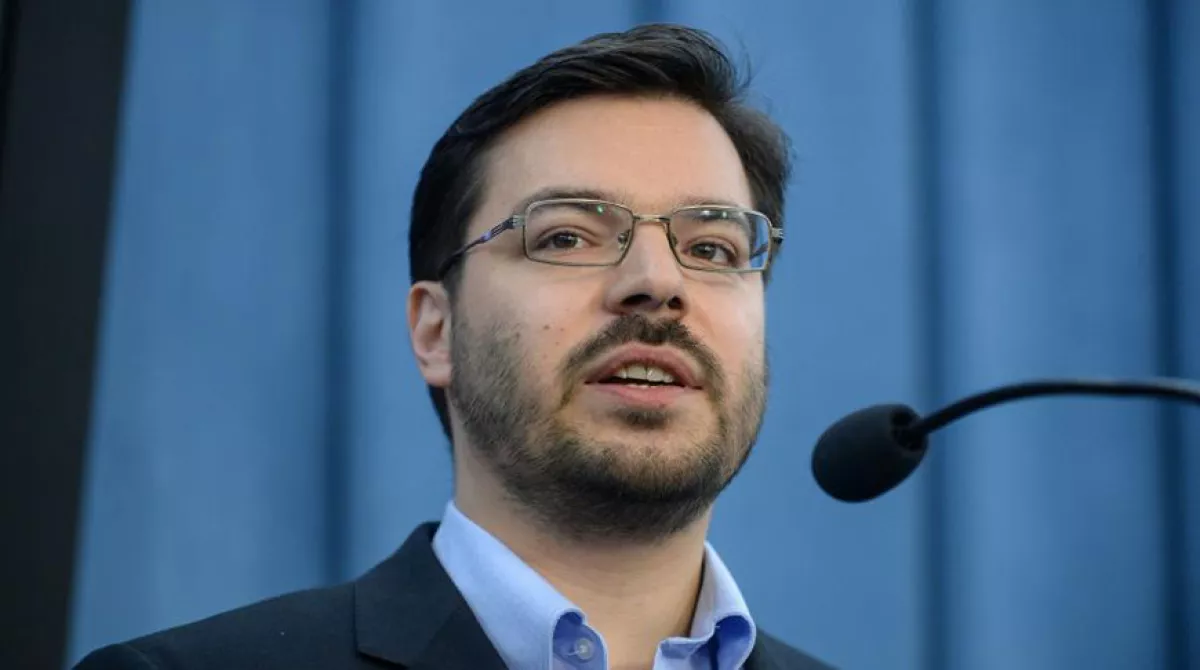
European Parliament member and co-chair of the far-right European Parliament group Europe of Sovereign Nations, Stanisław Tyszka, has already called on Ursula von der Leyen to close the Schengen Area to Ukrainian war veterans. According to the KWN MEP, the attacker in Jarosław had previously served in the Ukrainian Armed Forces and fought at the front. Polish police had already warned in February this year that Ukrainian combatants could pose a danger because of psychological trauma sustained during the war.
Here is what Łukasz Jastrzębski, editor-in-chief of the national-conservative weekly Myśl Polska, wrote: “The murder of a priest in broad daylight inside a church near the confessional — probably nothing like this has happened since the German occupation… It is time to start being guided by national self-interest rather than orders from Brussels, Berlin and London. This does not mean that we should treat Ukrainians badly. Because Ukrainians are different. Let us treat them in the same way as Belarusians, Vietnamese, Russians or Greeks.”
According to Jastrzębski, Ukrainians are also very tired of their corrupt authorities.
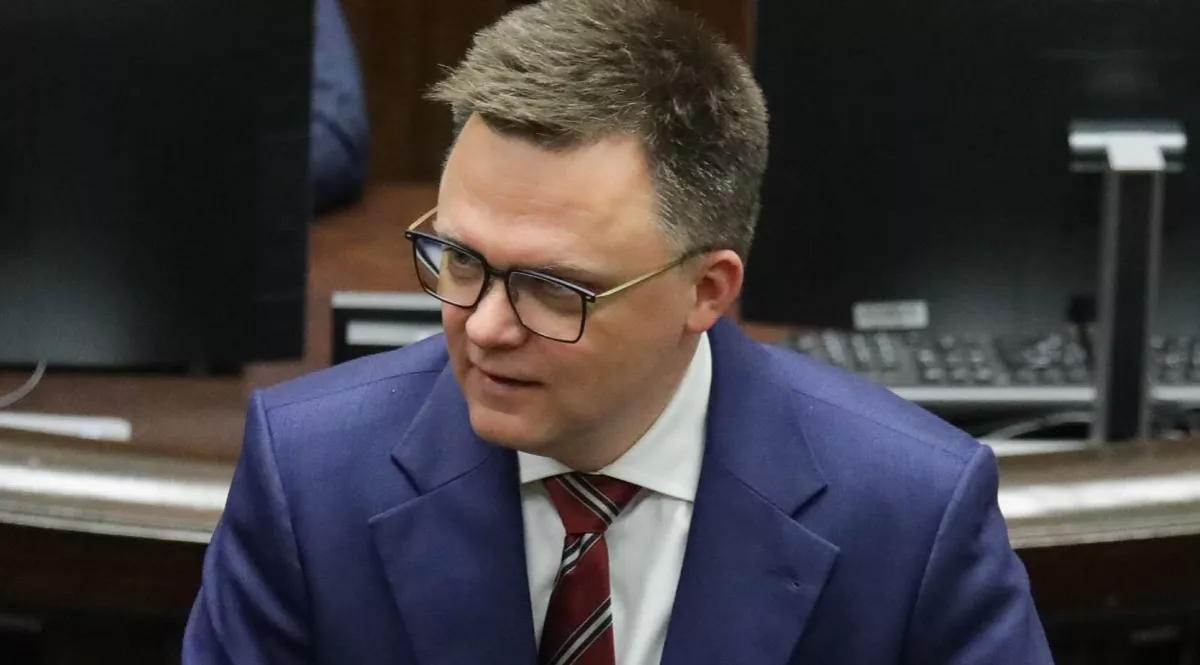
Former Speaker of the Polish Sejm and centrist politician Szymon Hołownia, who is part of the ruling coalition, has already put forward what is essentially a conspiracy theory: “This is the scenario that everyone has long feared most: some kind of provocation involving an act of brutal violence in Poland against a child, a person of symbolic significance. It is well known that a priest occupies precisely such a position in Polish society for many reasons…”
The politician went on to argue that the killing at the Polish monastery could lead to “the deaths of many innocent people in Ukraine”. In Hołownia’s view, the incident plays into the hands of Grzegorz Braun, leader of another right-wing populist party, the Confederation of the Polish Crown. Grzegorz Braun advocates ending aid to Ukraine.
……
The motive for the crime has not yet been established, and very little is known about the suspect’s background. The media have reported, citing witnesses, only that the attacker may have acted out of revenge. According to one eyewitness, the monastery priests had refused to provide financial assistance to the Ukrainian migrant that morning because he was under the influence of alcohol or drugs. Some witnesses also reported that the Ukrainian had a strong smell of alcohol, was speaking incoherently and was dressed too lightly despite the cold weather.
According to another version, the brutal attack may have been triggered by a conflict between the suspect and the monastery’s cook. However, based on the information published so far, there are no grounds to link the tragedy in Jarosław to any kind of political “conspiracy”. A more plausible scenario appears to be that the suspect, following an everyday dispute or due to other circumstances, but above all while in an apparently disturbed state, initially began assaulting people at the monastery before grabbing a knife.
In a number of European countries, including the EU’s largest states, Germany and France, the problem of violent crime and the factors contributing to its rise has recently been the subject of active debate. Experts and politicians have cited economic and social difficulties, weakened social institutions and the consequences of armed conflicts in different parts of the world among these factors.
It is ordinary Ukrainians who fled the horrors of war to Poland and other countries — and, in many cases, also from mobilisation — who risk bearing the brunt of the backlash following the stabbing at the Polish monastery. Their legal and everyday situation could deteriorate in the near future. There may also be attempts to exploit the incident to fuel hatred and nationalist sentiment towards Ukrainian refugees, including at the grassroots level.
Source: caliber.az
 scorpion.az