

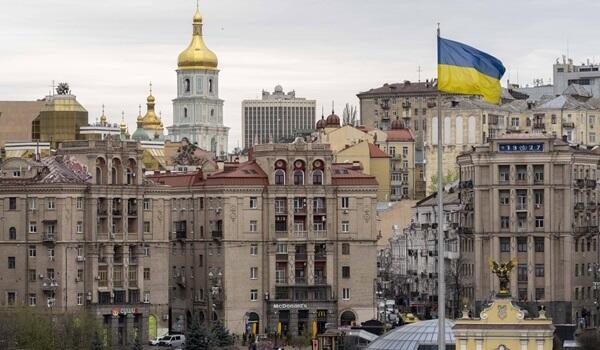
South Korea will recall its ambassador to Ukraine, the Ministry of Foreign Affairs said Thursday, escalating a diplomatic dispute that began with Kyiv’s disclosure of the transfer of North Korean prisoners of war and has now expanded to Seoul’s alleged fuel shipments to Russia.
Axar.az reports, citing Korean media, that the ministry said in a statement that the government had decided to recall its ambassador to Ukraine.
“It hopes that all pending issues between the two countries will be resolved smoothly and will continue consultations with the Ukrainian side to achieve that end,” the statement said.
Tensions between the two countries first arose after Ukraine disclosed the transfer of North Korean prisoners of war to South Korea.
During a speech at the United Nations General Assembly last month, Ukrainian President Volodymyr Zelensky revealed that two North Korean soldiers captured by Ukraine during its war with Russia had been repatriated to South Korea.
The South Korean government subsequently said Ukraine had violated an agreement to keep the repatriation confidential.
The latest dispute was triggered by a report published by The Guardian on Tuesday, which claimed that Russia had purchased large quantities of petroleum products from South Korea.
Based on port records and vessel-tracking data, the report said seven tankers had transported more than 176,000 metric tons of fuel, mostly diesel, to Russia in 14 shipments from South Korean ports, including Ulsan and Yeosu, in July and August.
“While the fuel trade involves vessels sanctioned by some of Seoul’s Western partners, it does not appear to breach South Korean law,” The Guardian wrote. “The shipments, however, risk making Seoul look like a weak link in Western efforts to pressure Russia.”
Ukraine’s sanctions envoy Vladyslav Vlasiuk commented on the report on Facebook, condemning the shipments as “standing in stark contrast to South Korea’s sanctions policy [toward Russia].”
“[South Korea’s] shipments [to Russia] began precisely when Ukrainian strikes […] reduced refining volumes in Russia, causing fuel shortages,” Vlasiuk wrote. “Imports from South Korea effectively helped offset the impact of Russia’s loss of domestic refining capacity.”
Seoul, however, rejected the claims.
Source: en.axar.az




 scorpion.az