


In recent weeks, independent sources claimed that to move its troops toward Southern Lebanese territories to fight Hezbollah. Undoubtedly, the reports boosted concerns in the United States, Lebanon, Iran, and other regional actors regarding the further implications of a new regional war.
The between Israel and Hezbollah that has been ongoing since the October 7 terrorist attack by Hamas dramatically escalated in the last two weeks, prompting some people inside the Israel Defence Forces and the Israeli Cabinet to call for significantly expanding the fighting against Hezbollah.
Indeed, the American administration is concerned a ground incursion into Lebanon that could be launched in the late spring or early summer if diplomatic efforts fail to push Hezbollah back from the northern border with Israel. Since the armed escalation heightened, civilians have been evacuated from villages on both sides of the border. Israel has , while Hezbollah has targeted Israeli military installations with drones, guided missiles, and other weapons.
Nevertheless, the Israeli authorities did not make any official statement regarding the alleged incursion in the coming weeks, even though the worry in the West is acute enough as the reports about potential incursion made their way into intelligence reports. In recent weeks, Israel and Hezbollah launched more intensive fire exchange compared to earlier months, as a few days ago, one of the leading Hezbollah commanders, Taleb Sami Abdullah, the highest-ranking official killed since the October events. As a result, more than 200 rockets toward Israeli territories.
Simply put, as regional violence escalates, the long-simmering conflict between Israel and Lebanon is heading toward an unavoidable full-blown war. Much of the fighting takes place along a border that has been contested since the creation of Israel. Consequently, the idea of incursion into Lebanon is not a new phenomenon as conservative members of the ruling Israeli government, namely the Minister of National Security that Israel should invade Lebanon in order to destroy Hezbollah in its entirety.
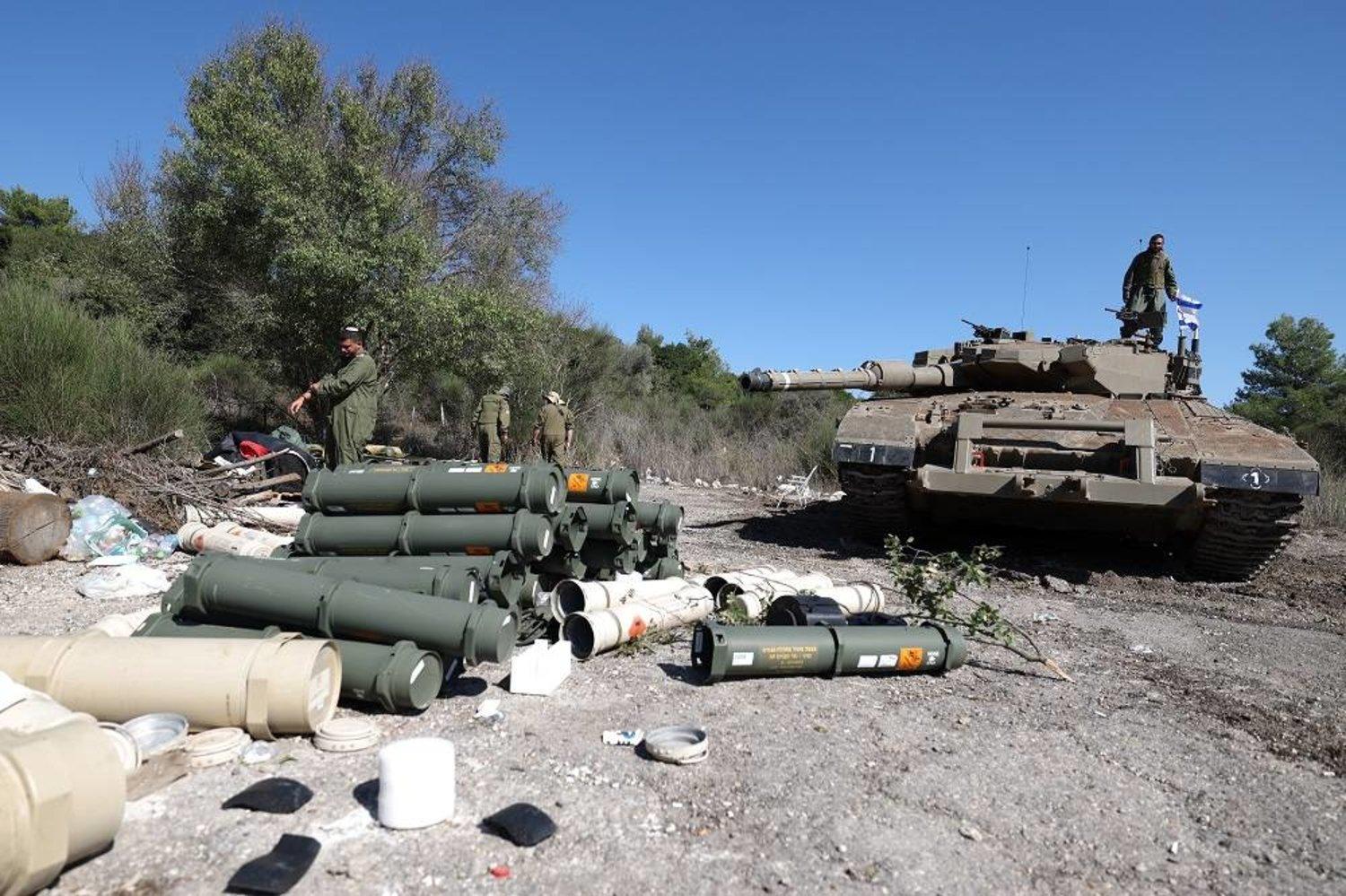
However, Israel's main allies, like the US, France, and Germany, are not keen to support a new regional war with Lebanon, which is an economically and politically failed state, and a new war will only worsen the fragile situation. In Lebanon, have crippled public institutions, including its army and electrical grid, and eroded its health system.
Nevertheless, ultraconservative Israeli officials not shy away from launching a military takeover of southern Lebanon if Hezbollah did not withdraw from the border and promoted a plan reminiscent of Israel's security zone in southern Lebanon in the years following the First Lebanon War in 1982.
In contrast, in Israel, US officials state that remains incredibly concerned about the risk of escalation along the Israel-Lebanon border as it seeks Tel Aviv to choose the peaceful resolution to the conflict. Indeed, such a war could be the most destructive either side has ever experienced. Until now, Hezbollah leader to initiate war but warned of a fight “without limits” if Israel does.
Considering the current regional power dynamics and rising threats to regional security, it is unlikely that Israel is looking for a prolonged full-scale war amid increasing international pressure and condemnation. Therefore, result in severe international condemnation and strained relations with key allies, particularly the United States, which would complicate support. Despite such risks, Israel is not confident that Hezbollah will stop attacking it and withdraw its support from Hamas amid the ongoing Gaza War.
Source: caliber.az



 scorpion.az
